Walter White (Breaking Bad) Teacher/Trainer Shadow
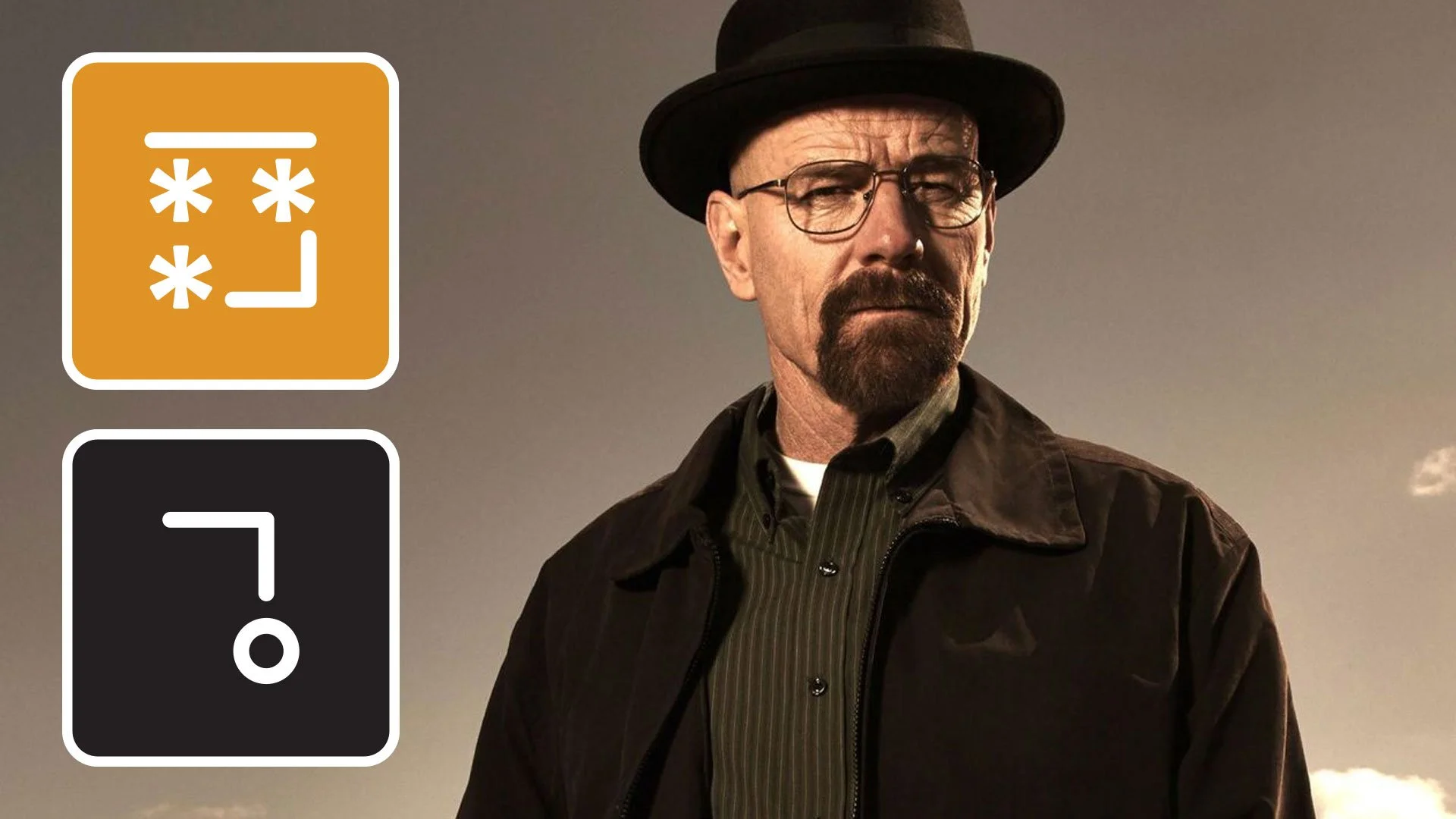
From: Breaking Bad TV Series
Role (Core): Learned Teacher
Believed Motive: Safekeeper (Family Provision)
Shadow Craft: Trainer (Ego-Dominated)
Secondary Shadow Context: Operating inside Organized Leader Systems
Character: Walter White, played by Bryan Cranston
The Teacher at the Core: Mastery Seeking a Stage
Walter White is, unmistakably, the quintessential Teacher Role. He is brilliant, precise, and driven by mastery. He doesn’t just want to do chemistry—he wants it done correctly, elegantly, and in a way that proves understanding. Teaching is not a job for him; it’s an identity.
But Walter’s Teacher Role is under-validated. Trapped in a low-status, low-pay environment, his competence is invisible. That frustration matters. The unaligned and immature Teacher whose mastery goes unrecognized often becomes brittle—and dangerous—when given a stage.
The Initial Justification: Safekeeper Logic
Walter convinces himself that he is acting as a Safekeeper. Facing a terminal cancer diagnosis and a teacher’s salary, he frames his descent into crime as provision: take care of the family, secure the future, leave something behind.
This belief is sincere at first.
And it’s the wedge that opens the door to Shadow.
Safekeepers protect quietly and exit when the threat passes.
Walter does not exit (he becomes the “one who knocks.”)
Enter the Shadow World: Teachers Among Leaders
Once inside the criminal underworld—run by Organized Leader Roles who value control, hierarchy, and scale—Walter’s Teacher ego collides with systems that don’t reward explanation or purity.
Instead of adapting, he asserts superiority.
He doesn’t just produce meth.
He produces the best meth.
And he needs everyone to know it by becoming a meth lord.
The Shadow Craft: Trainer Turned Tyrant
Walter’s Shadow Craft becomes Trainer—but distorted by ego. He trains Jesse Pinkman, not to empower him, but to extend Walter’s identity.
Key signals of Shadow Trainer:
Knowledge is hoarded, not transferred.
Instruction reinforces dependence.
Standards become weapons.
The student is never allowed to surpass the teacher.
Walter insists that only his method matters, only his product is worthy, and only he can be the source of excellence. Training becomes control.
When the Mask Slips: From Provision to Power
As success grows, the Safekeeper justification collapses. The money exceeds any reasonable need. The danger escalates. Exit ramps appear—and Walter ignores them.
Why?
Because this was never just about family, it was about recognition.
The Teacher wanted to be seen as indispensable.
The Shadow wanted to be the only one.
The Tragedy of the Teacher’s Ego
The Teacher Role in Shadow confuses being right with being necessary. Walter’s insistence on purity, authorship, and credit poisons every relationship he touches. Students become liabilities. Partners become threats. Family becomes collateral.
The world he builds can only exist with him at the center.
And so it tragically collapses—predictably and completely.
Why Walter White Is a Shadow Avatar
Walter White is one of the clearest Shadow Avatars in modern television because:
The core Role never changes (Teacher).
The initial motive is understandable (Safekeeper).
The Craft degrades under ego (Trainer → Tyrant).
The outcome is catastrophic, not accidental.
He doesn’t become evil overnight.
He becomes unrestrained.
Walter White — Quotes by RoleCraft Pattern
Learned Teacher (Aligned Core)
Mastery, precision, correctness:
“Chemistry is the study of change.”
Pure Teacher framing. He sees the world through principles, not impulse.
“I am awake.”
This isn’t bravado yet—it’s the Teacher finally feeling seen and intellectually alive.
“You know the business, and I know the chemistry.”
Clear role separation early on. He defines value through expertise.
Safekeeper Justification (The Entry Point to Shadow)
Provision as moral cover:
“I’m doing this for my family.”
The line that opens the door. It’s sincere—at first.
“What happens to my family when I’m gone?”
Fear-driven Safekeeper logic: protect now, explain later.
“I did it for them.”
This claim erodes as the series progresses—but he keeps repeating it.
Teacher Ego Emerging
Correctness turning into superiority:
“No more half measures.”
A shift from teaching to absolutism. Nuance disappears.
“You asked me if I was in the meth business or the money business.”
He reframes the problem to center his expertise.
“You think I’m in danger?”
Teacher confidence hardening into invulnerability.
Shadow Craft: Trainer (Corrupted)
Teaching as control, not transfer:
“You’re nothing without me.” (to Jesse)
This is the Shadow Trainer in one sentence. Knowledge used to dominate.
“I am the one who knocks.”
He no longer teaches outcomes—he embodies them.
“We make poison for people who don’t care.”
Moral distancing replaces responsibility.
The Obsession With Authorship
Why the world must orbit him:
“Say my name.”
The Teacher no longer wants understanding—he wants recognition.
“You’re goddamn right.”
Ego complete. Identity fused with product.
“It’s my formula.”
Ownership matters more than safety, partnership, or survival.
The Moment of Truth (Too Late)
The Safekeeper lie exposed:
“I did it for me.”
The most honest line of the series. The Teacher finally names the truth.
“I liked it. I was good at it.”
Mastery confessed without justification.
RoleCraft ID Avatar Profiles reference well-known fictional characters and real individuals for educational and illustrative purposes only. All names, likenesses, and images remain the property of their respective copyright holders, estates, or rights holders. Images are used solely for identification and commentary. RoleCraft ID does not claim ownership, endorsement, or affiliation with any individual or rights holder.
All RoleCraft ID profiles represent original, transformative analysis of observable public behavior patterns and narrative portrayals, created to support learning, reflection, and discussion.