Ted Lasso - Exhorter/Engager (Plus Trainer)
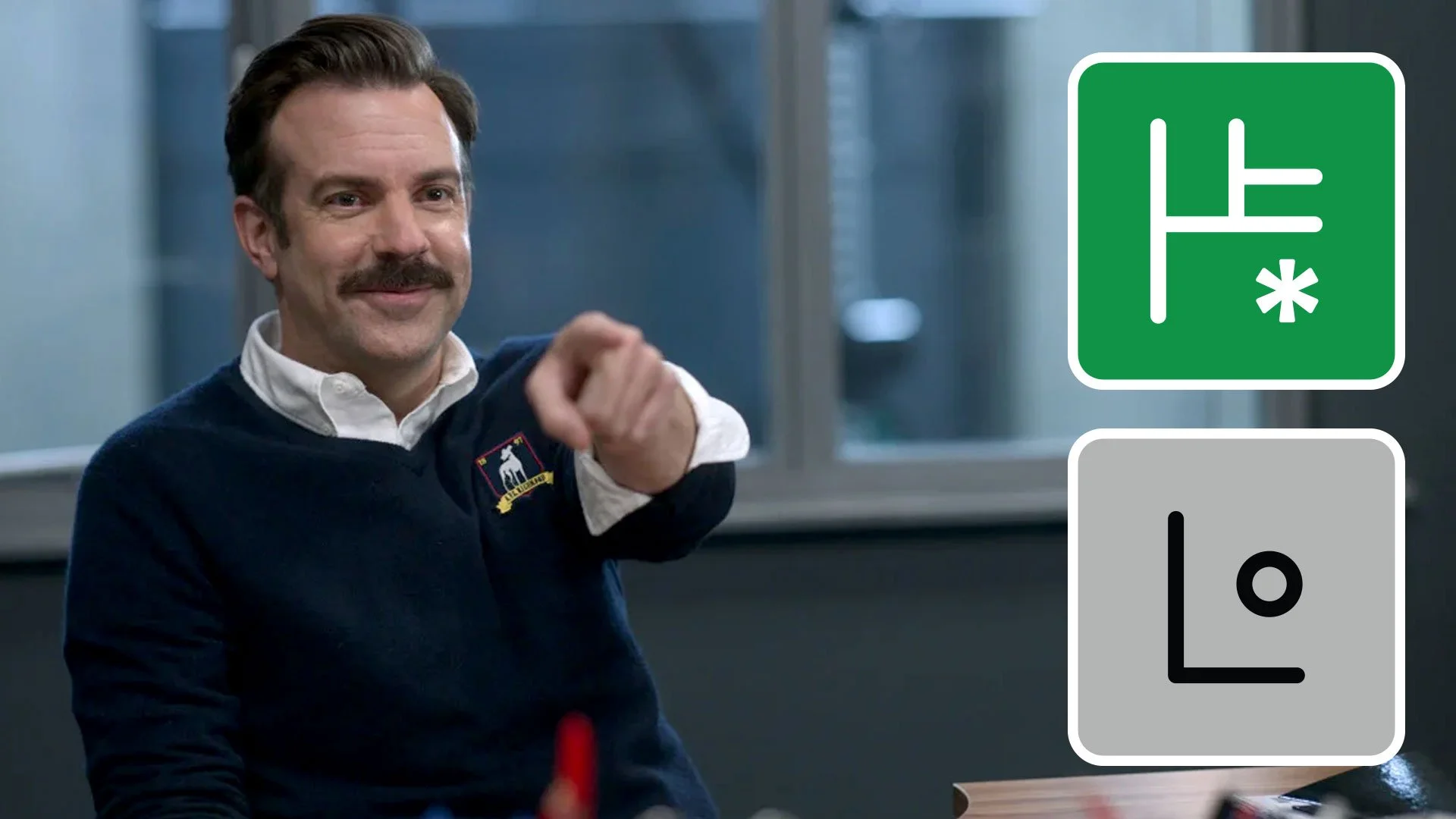
From: Ted Lasso
Secondary Craft (Contextual): Trainer
Character: Ted Lasso, played by Jason Sudekis
He Isn’t Teaching the Game — He’s Restoring Belief
Ted Lasso is often mislabeled as a “feel-good coach” or a motivational teacher. But teaching is not his core contribution. Ted’s true impact shows up earlier and deeper than skill or strategy.
Under pressure, Ted notices something specific: loss of belief. Morale dips. Trust erodes. People stop moving forward together. That’s where he intervenes.
That contribution pattern is unmistakable. Ted’s archetype Role is the Visionary Exhorter.
The Exhorter: Restoring Forward Motion
Ted’s instinct isn’t to diagnose tactics or restructure systems. It’s to reignite momentum. He does this by reminding people who they are, why they matter, and what’s still possible—even when the situation is objectively hard.
His question isn’t: “What’s the plan?”
It’s: “Do you still believe this is worth doing together?”
That question defines the Exhorter Role.
The Engager: Connection Before Correction
What gives Ted his power is how he exhorts. He doesn’t push belief from above. He builds it from within relationships.
This is the Engager Craft at work. Ted listens. He notices emotional distance. He creates psychological safety before asking for performance. He reconnects people to one another so shared effort becomes possible again.
He doesn’t deny difficulty. He makes it survivable—together.
When he succeeds, people move forward willingly.
That’s the point.
Why Ted Works as a RoleCraft Avatar
Ted represents leaders and professionals who create momentum not through authority or expertise, but through relational energy. They hold teams together during uncertainty. They restore trust after failure. They help people believe again without pretending things are easy.
If Ted disappeared, the team would still know what to do.
They just wouldn’t want to do it together.
That’s Exhorter / Engager impact.
The Role of Training (And Why It’s Secondary)
Ted does train—but always in the service of belief. He models values, reinforces habits, and creates simple rituals that help lessons stick. He rarely teaches technical mastery. Instead, he teaches how to show up.
That’s Trainer as a delivery mechanism, not as a primary identity.
If you remove the coaching context, Ted still exhorts and engages.
If you remove training, his impact changes only slightly.
That’s why Trainer remains secondary.
The Hidden Cost
The cost of being an Exhorter / Engager is emotional load. Ted carries the weight of everyone else’s morale. He absorbs doubt so others can keep moving. Over time, that can turn into loneliness, suppression, or burnout if not balanced.
The show doesn’t hide this. It centers it.
Which is why Ted works as an avatar, not a caricature.
Best quotes to support this Avatar profile:
“Taking on a challenge is a lot like riding a horse… if you’re comfortable… you’re probably doing it wrong.”
This captures Ted’s belief that growth happens outside comfort. He helps people lean into discomfort with curiosity, not avoidance — a core Engager move of encouraging movement.
“As the man once said, the harder you work, the luckier you get.”
Ted always reframes effort as opportunity, not burden. It’s not about magic — it’s about showing up together.
“I do love a locker room. It smells like potential.”
This is classic Engager spirit: Ted sees possibility in people before results. He calls out latent capability, which gets others to buy in.
“You know what the happiest animal on earth is? It’s a goldfish… it’s got a 10-second memory.”
This reflects Ted’s forgiveness and reset strategy: don’t cling to the past — learn and move. It’s a relational reset that keeps teams bonded and forward-looking.
“I think that you might be so sure that you’re one in a million… you forget that out there you’re just one in 11.”
Ted’s core message here is team identity over individual ego. This connects directly to Engager energy — creating unity before performance.
“If you care about someone…and you got a little love in your heart, there ain’t nothing you can’t get through together.”
Ted’s relational philosophy in one line: shared purpose + care = resilience. This line underlines his strength at building collective emotional capacity.
“There’s two buttons I never like to hit: panic and snooze.”
A gentle reminder about self-management — avoid fear and avoid avoidance. It’s practical emotional stability, which he models for others.
“Believe.”
Ted’s iconic one-word rallying cry. It’s not catchy — it’s foundational. He invites people to choose belief first, strategy second. That’s the essence of his Exhorter / Engager role.
RoleCraft ID Avatar Profiles reference well-known fictional characters and real individuals for educational and illustrative purposes only. All names, likenesses, and images remain the property of their respective copyright holders, estates, or rights holders. Images are used solely for identification and commentary. RoleCraft ID does not claim ownership, endorsement, or affiliation with any individual or rights holder.
All RoleCraft ID profiles represent original, transformative analysis of observable public behavior patterns and narrative portrayals, created to support learning, reflection, and discussion.