Saul Goodman (Better Call Saul) Exhorter/activator w/ Engager Shadow
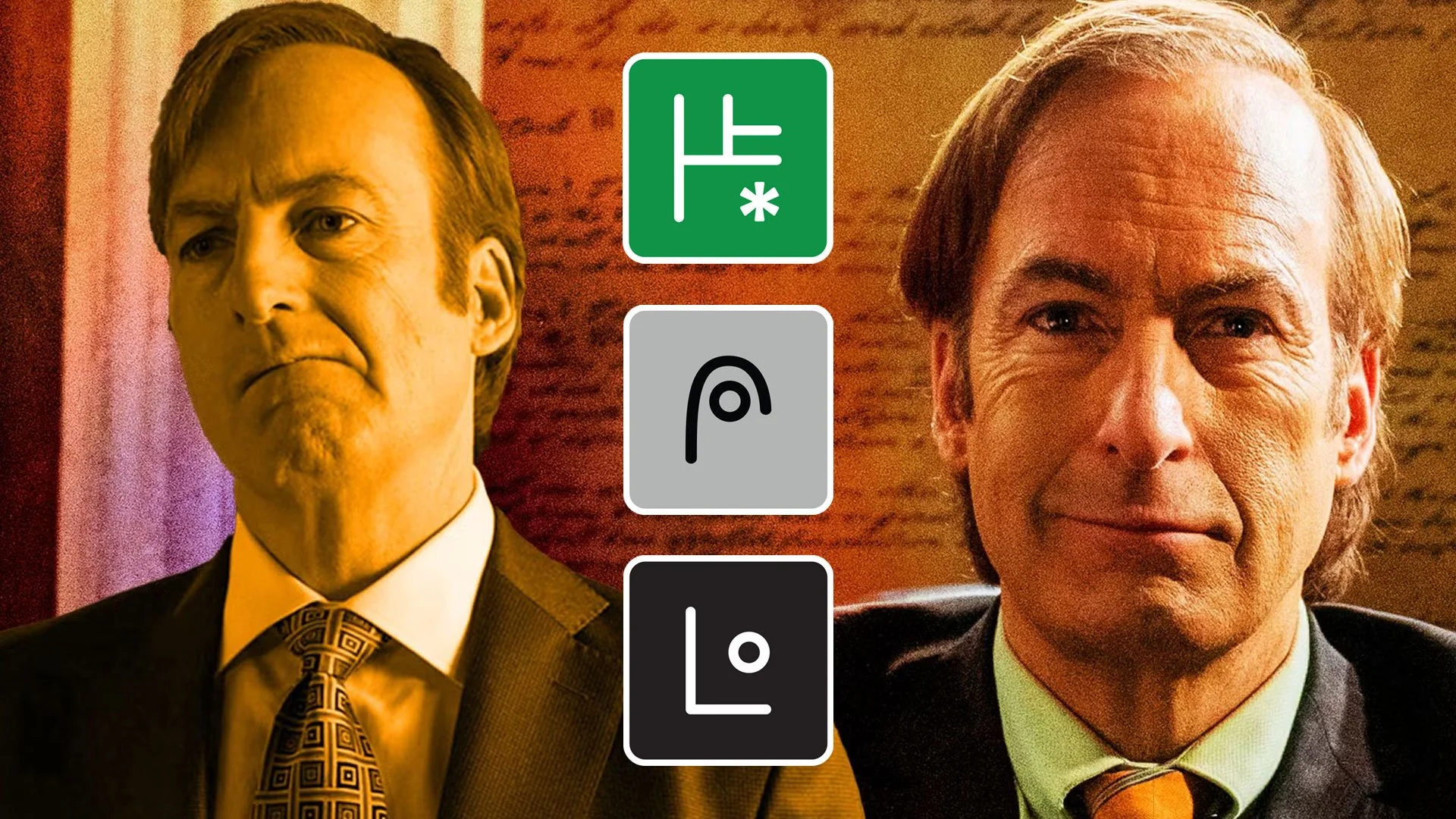
Character: Saul Goodman (also known as Jimmy McGill), played by Bob Odenkirk
Introducing the Shadow Avatar
In RoleCraft, a Shadow Avatar is not a villain, diagnosis, or moral judgment. It is the same role and same core motivation, expressed through a misaligned craft.
Shadow Avatars exist to model duality—a concept borrowed intentionally from role-playing games and narrative design. Just as RPG characters can drift toward different alignments under pressure, RoleCraft Avatars can express light and shadow versions of the same role.
The Exhorter at His Best: Belief That Restores Momentum
At his core, Jimmy McGill is a Visionary Exhorter. He sees possibilities where others see dead ends and helps people believe movement is still possible—especially when systems feel stacked against them.
When aligned, Jimmy:
Reframes setbacks into momentum
Believes before credentials arrive
Restores confidence in people who’ve been dismissed
This is Exhorter energy at its best: belief that activates.
The Healthy Craft: Activator
When Jimmy is aligned, his craft is Activator. He starts things instead of waiting for permission. He builds when the alternative is stagnation.
This shows up when he:
Launches his own practice rather than chasing approval.
Creates legitimate opportunities through effort and risk.
Helps Kim Wexler succeed by backing her confidence and opening doors she can walk through on her own.
Aligned Exhorter / Activator says: “Let’s move. We’ll figure it out as we go.”
Momentum is created, not manufactured.
The Drift Into Shadow: When Belief Loses Patience
The Shadow Avatar emerges when Jimmy stops trusting that honest effort will be enough—when rejection, resentment, and exhaustion begin to outweigh belief.
The role doesn’t change.
The craft does.
In the case of Saul Goodman, his Activator mutates into Engager, but in Shadow form.
Instead of inviting belief, Jimmy begins steering emotions.
Instead of creating momentum, he forces outcomes.
This is where Jimmy becomes Saul.
Shadow Exhorter/Engager: The Con
In Shadow, Saul:
Uses charm as leverage.
Manipulates perception instead of building value.
Confuses persuasion with leadership.
Pulls people into motion without their informed consent.
This is why the con works. Shadow expressions often outperform aligned ones in the short term. They are efficient, seductive, and outcome-driven. But they extract trust as fuel.
Kim Wexler: Duality Made Visible
Kim matters because she reveals both Avatars.
When Jimmy is aligned, he activates her confidence and agency. When he’s in Shadow, he draws her into games she never needed to play.
This is a classic Shadow dynamic: the same relational skill that empowers others can also entangle them when misaligned.
Better Call Saul as a Shadow Campaign
The show is not about good versus evil. It is about alignment versus misalignment.
Each season represents a drift:
From belief → control.
From momentum → manipulation.
From Exhorter → Shadow Exhorter.
Saul Goodman becomes safer than Jimmy McGill because Shadow Avatars always feel more reliable under pressure—until the cost comes due.
Why Shadow Avatars Matter in RoleCraft
Shadow Avatars allow us to:
Introduce adversaries without caricature.
Explore ethical tradeoffs inside the same Role.
Show how strengths degrade under stress.
Create mirror characters who feel uncomfortably familiar.
They answer the question: “What does this role look like when it stops trusting itself?”
The Aligned Exhorter / Activator
Belief that creates real momentum
These quotes show Jimmy when he’s still trying to build something honest, even if imperfect.
“I’m not doing this for myself. I’m doing it because it’s right.”
Jimmy frames action around fairness and belief, not advantage. This is Exhorter motivation before it curdles.
“You don’t need them. You’re better than them.” (to Kim)
At his best, Jimmy restores confidence without trapping the other person. He believes for people when systems don’t.
“I can make it on my own.”
Classic Activator posture. No manipulation—just motion in the face of rejection.
“The law is sacred… if you don’t believe that, you don’t belong in a courtroom.”
Early Jimmy still believes institutions can work—and that belief fuels effort rather than shortcuts.
The Moment of Drift
These lines mark the transition point—where Exhorter energy stops trusting process.
“They’re never gonna let me be one of them.” This is the fracture. The loss of belief that honest momentum will ever be enough.
“Why is it always on me to do the right thing?” Resentment enters. Shadow doesn’t start with evil—it starts with exhaustion.
The Shadow Avatar: Exhorter/Engager
Charm without consent. Momentum without trust. These quotes show Saul using the same relational skill—now misaligned.
“Did you know that you have rights? The Constitution says you do.”
This is Exhorter language stripped of sincerity. It sounds like belief—but it’s engineered to pull, not empower.“It’s all good, man.”
Saul’s catchphrase isn’t reassurance—it’s deflection. Engagement replaces responsibility.“I’m like a god in human clothing!”
Shadow exaggerates power. When belief is no longer trusted, performance takes over.“Let’s just say I know a guy… who knows a guy.”
The Activator once built paths. The Shadow Engager now manipulates networks.
The Quote That Shows Both Sides at Once
“I’m the kind of lawyer guilty people hire.”
This line lands because it contains the whole tragedy:
He still believes people deserve help.
He no longer believes integrity will get him there.
So he bends the role.
RoleCraft ID Avatar Profiles reference well-known fictional characters and real individuals for educational and illustrative purposes only. All names, likenesses, and images remain the property of their respective copyright holders, estates, or rights holders. Images are used solely for identification and commentary. RoleCraft ID does not claim ownership, endorsement, or affiliation with any individual or rights holder.
All RoleCraft ID profiles represent original, transformative analysis of observable public behavior patterns and narrative portrayals, created to support learning, reflection, and discussion.