John Wick & James Bond (The Lone-Wolf) Steward/Activator
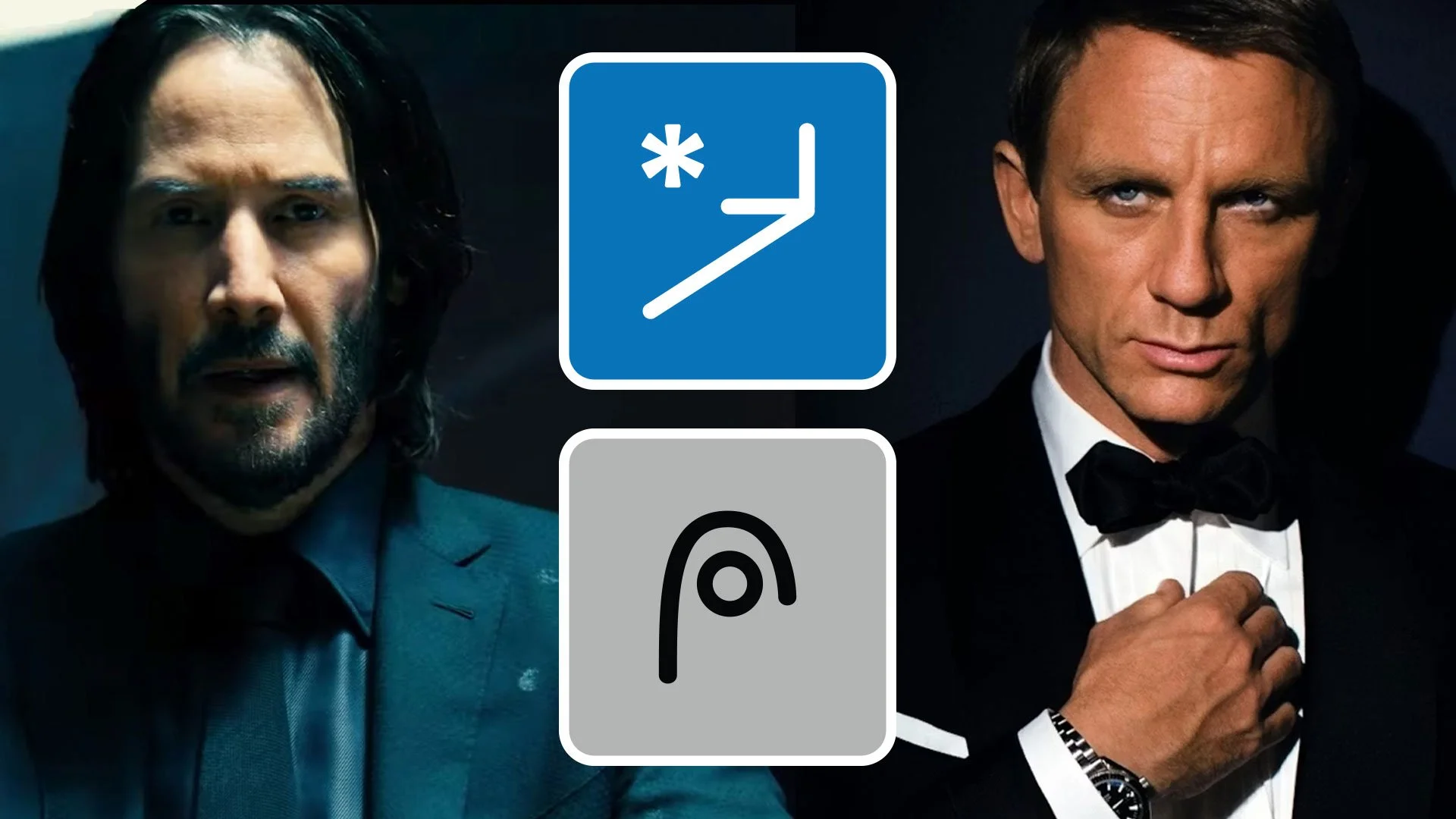
From: John Wick and James Bond Movies
Role: Trusted Steward
Dominant Crafts: Activator (primary), Safekeeper, and Engager (situational)
Characters: John Wick, played by Keanu Reeves, and James Bond, played by various actors
The lone-wolf hero archetype is often misunderstood as pure aggression or charisma. In RoleCraft terms, it maps most cleanly to the Steward—the role entrusted with protecting continuity, absorbing moral complexity, and doing what must be done so systems endure.
Both John Wick and James Bond embody this pattern with brutal clarity.
Why They Are Stewards
Stewards are comfortable operating in ideological gray zones. They are not driven by purity, applause, or personal vision. They are driven by viability—keeping something intact long enough to matter, and using any versatile and resourceful means to achieve it.
Wick and Bond are repeatedly assigned, not self-appointed. They are trusted with:
Long-term organizational survival.
Tasks others cannot or will not carry.
Decisions where there is no clean moral outcome.
Stewards also generally prefer privacy. However, in this context, they are private by necessity. Stewards carry knowledge and cost that would destabilize others if shared. The solitude is not stylistic—it’s structural.
This is why the lone-wolf hero so often is a Steward.
John Wick: Steward of a Life He Wanted to Leave Behind
John Wick is not motivated by dominance or a culture of revenge. His core motivation is preservation—of time, meaning, and legacy. His wife represents a future beyond violence; the puppy represents that legacy made fragile and immediate. He went to great lengths to reclaim a photograph of his wife, which may seem trivial to most, but not to the Steward.
He wants to safeguard a life, not rule a world.
That is classic Steward energy.
The Craft Tension: Safekeeper vs. Activator
Wick tries to live as a Safekeeper—withdrawing, minimizing impact, preserving what little remains. But when his protected world is violated, he is pulled back into his true craft: Activator.
Activator is not rage. It is decisive, relentless execution.
Wick becomes legendary not because he enjoys violence, but because when action is required, he does not hesitate. Momentum, once triggered, is absolute.
This tension—wanting Safekeeper quiet but being forged as an Activator—is the tragedy of his arc.
The Cost
John Wick pays with isolation. Each act of preservation destroys the possibility of peace. This is the Steward’s paradox: the better you are at keeping systems alive, the harder it is to live inside them.
James Bond: Steward of the State, Hidden Behind a Mask
Bond exists to steward continuity at scale. Nations, alliances, deterrence—his work is not about justice but stability. He operates where moral clarity would slow execution.
This is why Bond has always been emotionally contained.
Stewards cannot afford full transparency—even with themselves.
The Engager as a Cover Craft
In earlier iterations, Bond leans heavily on Engager—charm, seduction, social manipulation. But this is not his core craft; it’s camouflage.
Engager allows him to:
Access guarded systems.
Lower defenses.
Move unseen.
It is a tool, not his identity.
The Craig Era: Activator Exposed
The Daniel Craig era strips away the mask. Bond’s true craft—Activator—comes into full view. He moves first, absorbs damage, and finishes missions others would abandon.
Charm fades. Cost remains.
Bond is revealed not as a glamorous rogue but as a Steward who has been used up by continuity work.
Shared Pattern: The Price of Stewardship
Both Wick and Bond show the same truth:
Stewards are versatile because they must be.
They are trusted because they endure cost.
They are private because visibility weakens the system and credibility of their resourcefulness.
Their personal toll is immense—relationships lost, identity fragmented, rest deferred indefinitely.
This is not incidental.
It is the price of shot and long-term viability.